


As a supplier of Aluminium Parallel Opening Windows, I understand the importance of ensuring the quality of our products. In this blog, I'll share some key aspects to check the quality of an Aluminium Parallel Opening Window.
1. Material Quality
The first step in assessing the quality of an Aluminium Parallel Opening Window is to examine the aluminium material itself. High - quality aluminium should have a smooth finish. Run your hand along the frame; there should be no rough edges, bumps, or scratches. These surface imperfections not only affect the aesthetics but can also indicate a sub - standard manufacturing process.
The alloy used in the aluminium frame is also crucial. High - grade aluminium alloys are more resistant to corrosion, rust, and deformation. For instance, an alloy with a high percentage of magnesium and silicon can offer better strength and durability. You can ask for the material specification sheet from the supplier to verify the alloy composition. A well - made Aluminium Parallel Opening Window will be made from an alloy that meets industry standards for strength and corrosion resistance.
2. Frame Structure and Design
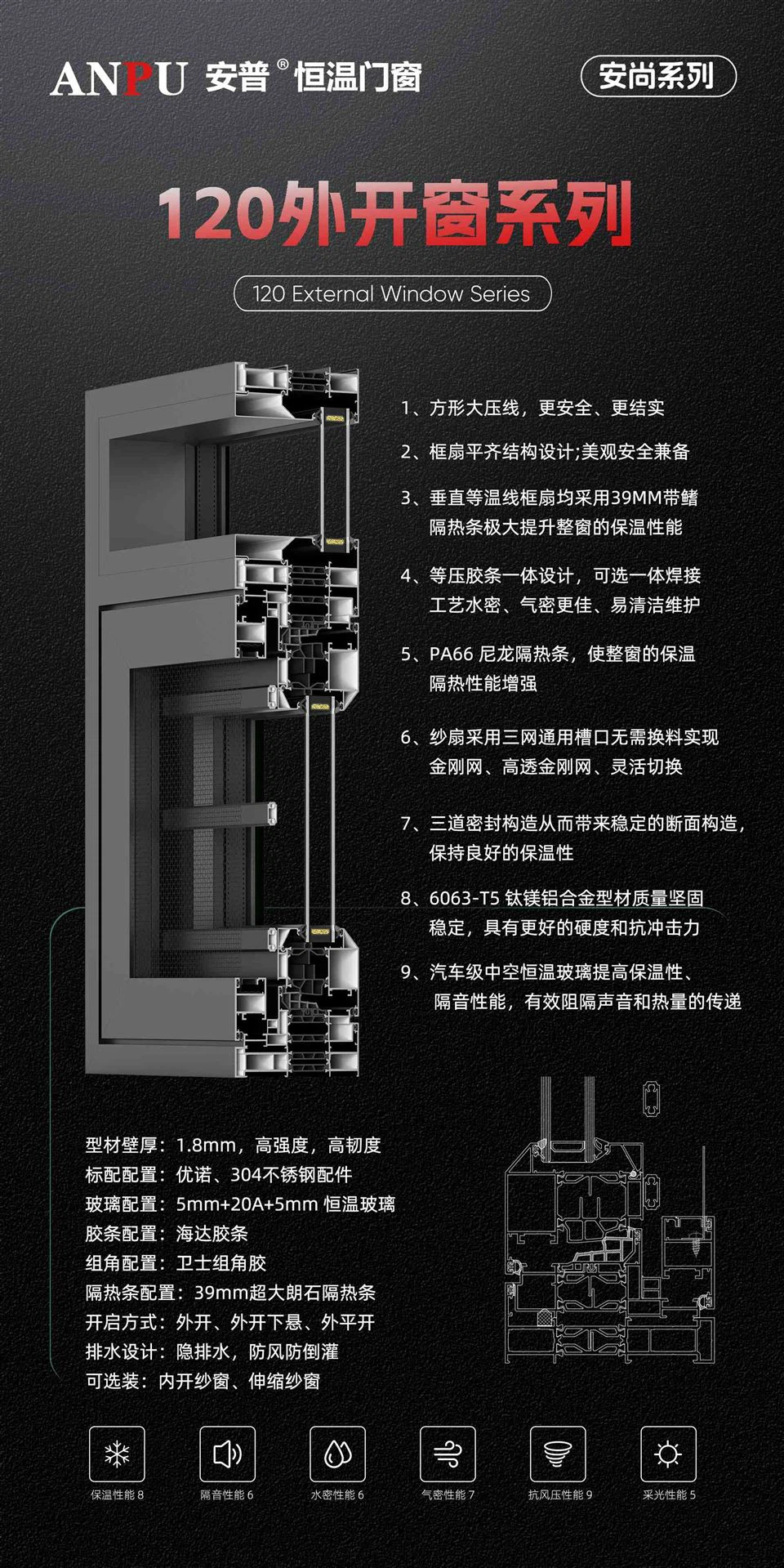
The frame of an Aluminium Parallel Opening Window plays a vital role in its overall performance. Check the thickness of the frame. A thicker frame generally provides more stability and better insulation. A standard thickness for high - quality aluminium frames is around 1.4 - 2.0 mm.
The frame should have a well - designed structure. Look for features such as reinforced corners. Reinforced corners add extra strength to the window, preventing it from warping or bending over time. Some Aluminium Parallel Opening Windows also come with multi - chambered frames. These multi - chambered designs enhance insulation by creating air pockets within the frame, which can significantly reduce heat transfer and noise penetration.
3. Glass Quality
The glass used in an Aluminium Parallel Opening Window is another important factor. The most common type of glass used is double - glazed or triple - glazed glass. Double - glazed glass consists of two layers of glass separated by a spacer filled with air or an inert gas like argon. This design improves insulation, reduces energy consumption, and provides better soundproofing.
Inspect the glass for clarity. There should be no visible bubbles, scratches, or discoloration. The edges of the glass should be smooth and properly sealed. A good seal prevents moisture from entering the space between the glass layers, which can cause fogging and reduce the window's performance.

4. Hardware Components
The hardware components of an Aluminium Parallel Opening Window are essential for its functionality. Check the hinges. High - quality hinges should be made of durable materials such as stainless steel. They should operate smoothly, allowing the window to open and close easily without any sticking or jerking.
The locking mechanism is also crucial. A reliable locking system ensures the security of the window. Look for locks that are easy to operate but provide a strong hold. Some advanced locking systems come with multiple points of contact, which further enhance security.
The handles should be comfortable to grip and made of a material that can withstand regular use. They should be firmly attached to the window frame and not loosen over time.
5. Installation and Sealing
Proper installation is key to the performance of an Aluminium Parallel Opening Window. Even a high - quality window can perform poorly if it is not installed correctly. Check for proper alignment. The window should fit snugly into the opening, with no visible gaps around the frame.
The sealing around the window is also important. A good seal prevents air and water leakage. Look for weatherstripping around the frame. Weatherstripping is a flexible material that creates a barrier between the window and the frame, preventing drafts and water infiltration. The sealant used around the edges of the window should be evenly applied and free of cracks or gaps.
6. Energy Efficiency
Energy efficiency is an important consideration for modern windows. An energy - efficient Aluminium Parallel Opening Window can help reduce your energy bills and contribute to a more sustainable home. Check the window's U - factor. The U - factor measures the rate of heat transfer through the window. A lower U - factor indicates better insulation.
Another important metric is the Solar Heat Gain Coefficient (SHGC). The SHGC measures how much solar radiation is transmitted through the window. A lower SHGC is desirable in hot climates as it reduces the amount of heat entering the building.
7. Sound Insulation
If you live in a noisy area, sound insulation is a crucial feature. A well - made Aluminium Parallel Opening Window can significantly reduce noise pollution. As mentioned earlier, double - glazed or triple - glazed glass with proper sealing can help in soundproofing. Additionally, the frame design and the use of insulation materials within the frame can also contribute to better sound insulation.
8. Water Resistance
Water resistance is essential, especially in areas with heavy rainfall. Check the window's drainage system. A good Aluminium Parallel Opening Window should have a proper drainage channel to allow water to escape. The frame should be designed in such a way that water does not accumulate inside the window, which can lead to water damage and mold growth.
Comparison with Other Window Types
While Aluminium Parallel Opening Windows have their own advantages, it's also useful to compare them with other types of windows. For example, the Integrated Frame Outswing Casement Window offers a different style of operation. Casement windows typically open outward, providing better ventilation as they allow more air to enter the room. However, Aluminium Parallel Opening Windows can be more space - efficient as they do not require additional space for opening.
The Top - Hung Awning Window is another option. Awning windows are hinged at the top and open outward from the bottom. They are great for ventilation even during light rain as the angled opening allows water to run off. Aluminium Parallel Opening Windows, on the other hand, provide a more contemporary look and can be installed in larger sizes.
Conclusion
In conclusion, checking the quality of an Aluminium Parallel Opening Window involves a comprehensive assessment of various factors, including the material quality, frame structure, glass quality, hardware components, installation, energy efficiency, sound insulation, and water resistance. By paying attention to these details, you can ensure that you are getting a high - quality window that will serve you well for many years.
If you are interested in purchasing high - quality Aluminium Parallel Opening Window, we are here to assist you. Our team of experts can provide you with detailed information and help you choose the right window for your needs. Contact us to start a procurement discussion and find the perfect Aluminium Parallel Opening Window for your project.
References
- Window and Door Manufacturers Association. "Quality Standards for Aluminium Windows."
- International Building Code. "Energy Efficiency Requirements for Windows."
- Glass Association of North America. "Guide to Glass Quality and Performance."


