


When it comes to soundproof inward casement windows, one crucial aspect that often gets overlooked is their wind load capacity. As a supplier of high - quality soundproof inward casement windows, I understand the importance of this factor, especially for both residential and commercial buildings.
Understanding Wind Load
Wind load refers to the force exerted by the wind on a structure. It is influenced by several factors including wind speed, the shape and size of the building, and the location of the window on the building. The wind load capacity of a window is the maximum amount of wind force that the window can withstand without failure.
In areas prone to high - speed winds, such as coastal regions or high - altitude locations, windows need to be designed to resist strong wind forces. Failure to do so can lead to serious consequences, including broken windows, water infiltration, and even structural damage to the building.
Factors Affecting the Wind Load Capacity of Soundproof Inward Casement Windows
1. Frame Material
The material of the window frame plays a significant role in determining its wind load capacity. For our soundproof inward casement windows, we offer a variety of frame materials, each with its own characteristics.
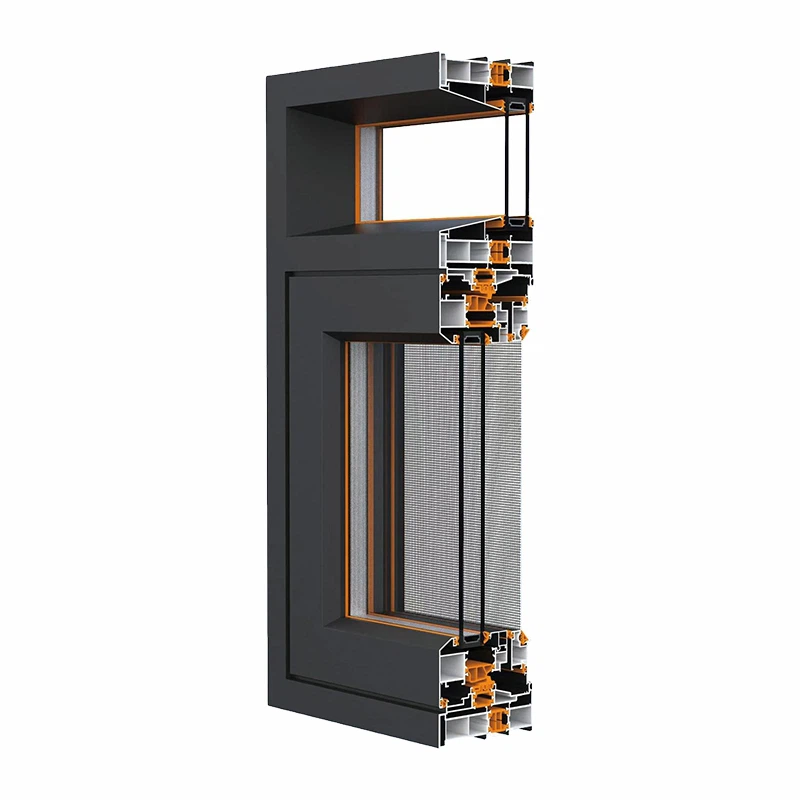
Aluminum frames are a popular choice. They are lightweight yet strong, and they have excellent corrosion resistance. Aluminum frames can be engineered to have high wind load ratings. Our Narrow Stile Aluminium Inward Casement is designed with a narrow profile, which not only enhances the aesthetic appeal but also provides good wind resistance. The aluminum alloy used in these frames is carefully selected to ensure optimal strength - to - weight ratio.
Vinyl frames are another option. They are known for their energy - efficiency and affordability. Vinyl frames can also be made to withstand moderate wind loads. However, compared to aluminum, they may have limitations in extremely high - wind areas.
2. Glass Type
The type of glass used in the window also affects its wind load capacity. For soundproofing purposes, we typically use double - or triple - glazed glass. These multi - layer glass units provide better insulation and sound reduction.
Laminated glass is often used in high - wind areas. It consists of two or more layers of glass bonded together with a plastic interlayer. In the event of a high - wind impact, the laminated glass is less likely to shatter into sharp pieces, reducing the risk of injury. Tempered glass is also a good choice. It is stronger than regular glass and can withstand higher wind pressures. When the tempered glass breaks, it shatters into small, relatively harmless pieces.
3. Window Design
The design of the soundproof inward casement window is crucial for its wind load capacity. The way the window is constructed, including the number of hinges, the locking mechanism, and the overall structural integrity, all play a role.
Our High - Performance Inward Opening Window is designed with a robust hinge system. The hinges are carefully engineered to distribute the wind load evenly across the window frame. This helps to prevent excessive stress on any single point of the window, reducing the risk of failure.
The locking mechanism is also an important factor. A secure locking system ensures that the window remains tightly closed during high - wind conditions. Our windows are equipped with high - quality locks that provide a strong seal, keeping the window in place even under strong wind forces.
Testing and Certification
To ensure the wind load capacity of our soundproof inward casement windows, we subject them to rigorous testing. These tests are conducted in accordance with industry standards and building codes.
We use state - of - the - art testing facilities to simulate different wind conditions. The windows are tested for positive and negative wind pressures, as well as cyclic wind loading. This helps us to accurately determine the maximum wind load that the windows can withstand.
Once the windows pass the testing, they are certified. The certification provides assurance to our customers that the windows meet the required safety and performance standards. For example, in some regions, windows need to meet the standards set by organizations such as the American Society for Testing and Materials (ASTM) or the International Building Code (IBC).
Importance of Wind Load Capacity in Soundproof Inward Casement Windows
1. Safety
The most obvious reason for ensuring adequate wind load capacity is safety. In high - wind situations, a window that fails can pose a serious threat to the occupants of the building. Broken glass can cause injuries, and the entry of wind and debris can damage the interior of the building. By providing windows with high wind load capacity, we are helping to create a safe environment for our customers.
2. Energy Efficiency
Windows with good wind load capacity also contribute to energy efficiency. A well - sealed window that can withstand high winds prevents air leakage. This means that less heat is lost in the winter and less cool air escapes in the summer. As a result, the building's heating and cooling systems can operate more efficiently, reducing energy costs.
3. Durability
Windows that can withstand high wind loads are generally more durable. They are less likely to be damaged by normal wear and tear, as well as by extreme weather conditions. This means that our customers can expect their soundproof inward casement windows to last for many years, providing long - term value.

Applications of Soundproof Inward Casement Windows with High Wind Load Capacity
1. Residential Buildings
In residential buildings, especially those located in coastal areas or on high - rise buildings, soundproof inward casement windows with high wind load capacity are essential. They not only provide protection against high winds but also offer a quiet and comfortable living environment. Our Heavy - Duty Double Inward Opening Window is a great choice for residential applications. It combines excellent soundproofing with high wind resistance, making it suitable for bedrooms, living rooms, and other areas of the home.
2. Commercial Buildings
Commercial buildings also benefit from soundproof inward casement windows with high wind load capacity. In office buildings, these windows can help to create a quiet working environment, while also ensuring the safety and durability of the building. In retail stores, they can enhance the customer experience by reducing outside noise and providing a secure environment.
Conclusion
The wind load capacity of soundproof inward casement windows is a critical factor that should not be ignored. As a supplier, we are committed to providing our customers with windows that not only offer excellent soundproofing but also have high wind load ratings. Our range of products, including the High - Performance Inward Opening Window, Narrow Stile Aluminium Inward Casement, and Heavy - Duty Double Inward Opening Window, are designed and tested to meet the highest standards of safety and performance.
If you are interested in learning more about our soundproof inward casement windows or would like to discuss your specific requirements, please feel free to contact us. We look forward to the opportunity to work with you and provide you with the best window solutions for your project.
References
- American Society for Testing and Materials (ASTM). ASTM standards for window testing.
- International Building Code (IBC). Building code requirements for window wind load capacity.
- Window and Door Manufacturers Association (WDMA). Guidelines for window performance and testing.


