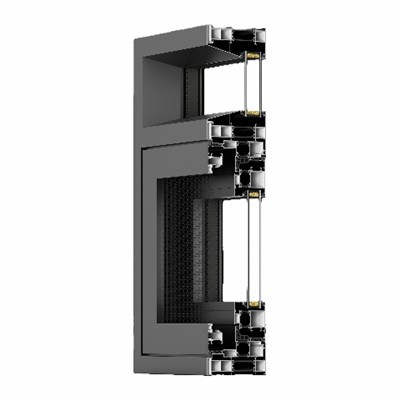
Hey there! As a supplier of outward casement windows, I often get asked if these windows are a good fit for areas that see a lot of storms. It's a valid question, and in this blog, I'll break down the pros and cons to help you decide if outward casement windows are right for storm - prone regions.
How Outward Casement Windows Work
First off, let's talk about what outward casement windows are. These windows are hinged on the side and swing outward, kind of like a door. They're opened and closed using a crank mechanism, which gives you full control over how much the window is open. This design allows for excellent ventilation because the window can be fully opened to let in fresh air.
Advantages in Storm - Prone Areas
1. Tight Sealing
One of the big pluses of outward casement windows in stormy areas is their tight seal. When you close the window and crank it shut, the sash presses firmly against the frame. This creates a strong barrier that can keep out rain, wind, and even debris. A well - sealed window can prevent water from seeping into your home, which is super important during heavy storms.
2. Aerodynamic Design
The way outward casement windows are designed helps them deal with wind better. The outward swing means that the wind can flow around the window more smoothly. Unlike some other window types that might catch the wind and create a lot of pressure inside the frame, outward casement windows can handle the wind forces more effectively.
3. Ease of Operation in High Winds
Even in high - wind situations, it's usually pretty easy to open and close outward casement windows. The crank mechanism gives you a good grip, and you can control the window's movement. This is great if you need to quickly close the window when a storm is approaching.
Disadvantages in Storm - Prone Areas
1. Vulnerability to Flying Debris
One of the main concerns with outward casement windows in stormy areas is their vulnerability to flying debris. Since the windows swing outward, they're more exposed to any objects that might be blown around by the wind. A large piece of debris could potentially break the glass or damage the window frame.
2. Risk of Being Blown Open
In extremely strong winds, there's a risk that an outward casement window could be blown open. If the locking mechanism isn't strong enough, the force of the wind could push the window open, allowing rain and wind to enter the house. This can lead to water damage and other problems.
Specialty Outward Casement Windows for Stormy Areas
Bottom - Hung Hopper Window
If you're in a storm - prone area, you might want to consider a Bottom - Hung Hopper Window. These windows are hinged at the bottom and open inward from the top. This design can provide better protection against flying debris and strong winds. The inward opening also means that the window is less likely to be blown open by the wind.
Top - Hung Awning Window
Another option is the Top - Hung Awning Window. These windows are hinged at the top and open outward from the bottom. They can provide good ventilation while still being relatively resistant to wind and rain. The awning design can help deflect rainwater away from the window, reducing the risk of water infiltration.
Outswing Window with Integrated Screen
The Outswing Window with Integrated Screen is also a great choice. The integrated screen can provide an extra layer of protection against flying debris. It can also keep insects out when the window is open for ventilation.
Making Outward Casement Windows More Storm - Resistant
1. Reinforced Glass
Using reinforced glass, like laminated or tempered glass, can make your outward casement windows more resistant to flying debris. Laminated glass has a layer of plastic between two layers of glass, which holds the glass together if it breaks. Tempered glass is stronger and shatters into small, less - dangerous pieces.
2. Strong Locking Mechanisms
Investing in high - quality locking mechanisms is crucial. A strong lock can prevent the window from being blown open by strong winds. Look for locks that are made of durable materials and have a good reputation for security.
3. Impact - Resistant Frames
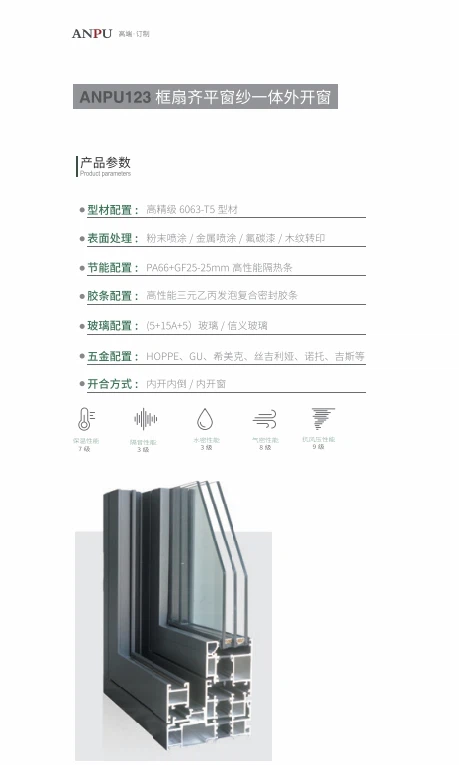
Frames made of materials like vinyl, fiberglass, or aluminum can be more impact - resistant than traditional wood frames. These materials can withstand the forces of wind and debris better, reducing the risk of damage to the window.
Conclusion
So, are outward casement windows suitable for areas with frequent storms? Well, it depends. They have some great features that make them a good option, like their tight sealing and aerodynamic design. However, they also have some drawbacks, such as their vulnerability to flying debris.
If you take the right precautions, like using reinforced glass, strong locking mechanisms, and impact - resistant frames, outward casement windows can be a great choice for storm - prone areas. And if you're interested in specialty outward casement windows like the Bottom - Hung Hopper Window, Top - Hung Awning Window, or Outswing Window with Integrated Screen, we've got you covered.
If you're thinking about purchasing outward casement windows for your home in a storm - prone area, I'd love to chat with you. We can discuss your specific needs and find the best solution for your situation. Whether it's about the right type of window, the level of storm resistance you need, or any other questions, feel free to reach out. Let's work together to make your home more comfortable and secure during those stormy days.

References
- American Society of Civil Engineers. (2016). Minimum Design Loads for Buildings and Other Structures.
- Window and Door Manufacturers Association. (2020). Performance Standards for Windows, Doors, and Skylights.