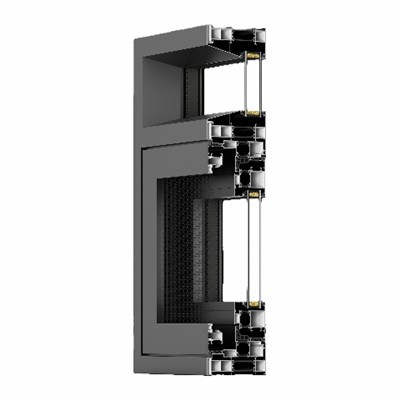
When it comes to heavy - duty outward opening windows, the choice of glass is crucial. As a supplier of Heavy - Duty Outward Opening Windows, I've seen firsthand the importance of using the right type of glass to ensure the functionality, durability, and overall performance of these windows.
1. Tempered Glass
Tempered glass is one of the most popular choices for heavy - duty outward opening windows. This type of glass is processed through a special heating and cooling treatment, which makes it much stronger than regular glass. In fact, tempered glass can withstand much higher levels of impact. According to industry standards, it is typically four to five times stronger than annealed glass of the same thickness.
The reason tempered glass is so well - suited for outward opening windows is its safety feature. When tempered glass breaks, it shatters into small, granular pieces rather than large, sharp shards. This significantly reduces the risk of injury, especially in areas where there is a possibility of the window being broken accidentally, such as in high - traffic commercial buildings or in the homes of families with children.
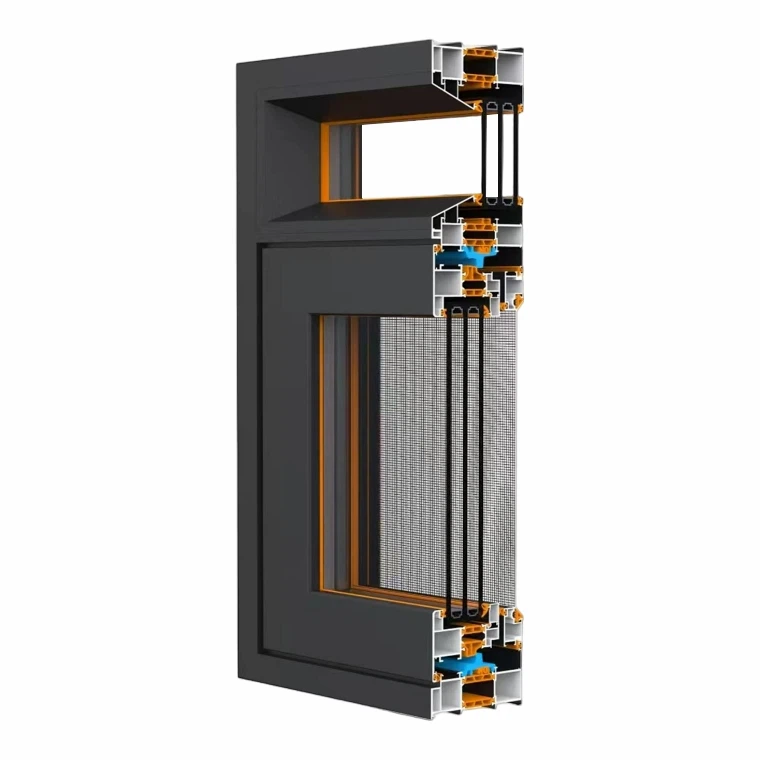

For heavy - duty applications, tempered glass provides an added layer of security. It is more resistant to forced entry, as it takes a significant amount of force to break. This makes it an ideal choice for bottom - hung hopper windows Bottom - Hung Hopper Window, which are often used in areas where security is a concern, such as basements or ground - floor rooms.
2. Laminated Glass
Laminated glass consists of two or more layers of glass bonded together with a plastic interlayer. This construction gives laminated glass several unique properties that are beneficial for heavy - duty outward opening windows.
One of the key advantages of laminated glass is its sound insulation capabilities. The plastic interlayer helps to absorb sound waves, reducing the amount of noise that enters the building. This is particularly important for buildings located in noisy areas, such as near busy roads or airports. For example, in an office building facing a busy street, using laminated glass in outward opening windows can create a more peaceful and productive work environment.
Laminated glass also offers excellent security features. Even if the glass is broken, the plastic interlayer holds the shattered pieces together, preventing them from falling out and providing a physical barrier against intruders. This makes it a great option for aluminium outswing casement windows Aluminium Outswing Casement Window, which are commonly used in commercial buildings and high - end residential properties.
In addition, laminated glass provides protection against UV rays. The interlayer can block a significant portion of the sun's ultraviolet radiation, which helps to prevent fading of furniture, carpets, and other interior furnishings.
3. Insulated Glass Units (IGUs)
Insulated Glass Units are another popular choice for heavy - duty outward opening windows. An IGU typically consists of two or more panes of glass separated by a spacer and filled with an insulating gas, such as argon or krypton.
The main benefit of IGUs is their excellent thermal insulation properties. The insulating gas between the glass panes reduces heat transfer, which helps to keep the interior of the building warm in the winter and cool in the summer. This can lead to significant energy savings, as less energy is required to heat or cool the building.
IGUs also help to reduce condensation on the windows. The insulating layer between the panes prevents the warm, moist air inside the building from coming into contact with the cold surface of the outer glass, reducing the likelihood of condensation forming. This is important for maintaining the clarity of the windows and preventing damage to the window frames and surrounding structures.
Outward casement windows Outward Casement Window often use IGUs to enhance their energy efficiency and overall performance. The tight seal of the casement window combined with the insulation of the IGU creates a highly effective barrier against heat loss and gain.
4. Low - Emissivity (Low - E) Glass
Low - E glass is a type of glass that has a special coating applied to its surface. This coating is designed to reflect infrared radiation while allowing visible light to pass through.
The primary advantage of low - E glass is its energy - saving capabilities. In the winter, the coating reflects heat back into the building, reducing heat loss through the windows. In the summer, it reflects the sun's heat away from the building, keeping the interior cooler. This can result in lower energy bills and a more comfortable indoor environment.
Low - E glass can be used in combination with other types of glass, such as tempered glass or IGUs, to further enhance the performance of heavy - duty outward opening windows. For example, a tempered low - E IGU can provide a high level of strength, security, and energy efficiency.
5. Choosing the Right Glass for Your Needs
When selecting the type of glass for heavy - duty outward opening windows, several factors need to be considered. First, the location of the building is important. If the building is in a noisy area, laminated glass or glass with good sound - insulating properties may be the best choice. If the building is in a cold climate, an IGU with low - E glass can help to improve energy efficiency.
The security requirements of the building also play a role in the glass selection. For high - security areas, tempered or laminated glass is recommended. Additionally, the aesthetic preferences of the building owner or designer should be taken into account. Some types of glass, such as low - E glass, may have a slightly different appearance compared to regular glass, but they can still provide a modern and stylish look.
As a supplier of Heavy - Duty Outward Opening Windows, I am committed to helping our customers make the best choice for their specific needs. We offer a wide range of glass options, and our team of experts can provide detailed information and guidance on the pros and cons of each type of glass.
If you are in the market for heavy - duty outward opening windows and are interested in learning more about the glass options available, or if you would like to discuss a potential purchase, we encourage you to reach out. Our experienced sales team is ready to assist you in finding the perfect windows for your project.
References
- Glass Association of North America. (2023). Technical information on different types of glass.
- International Window Film Association. (2023). Benefits of low - emissivity glass.
- National Fenestration Rating Council. (2023). Energy efficiency ratings for windows and glass.