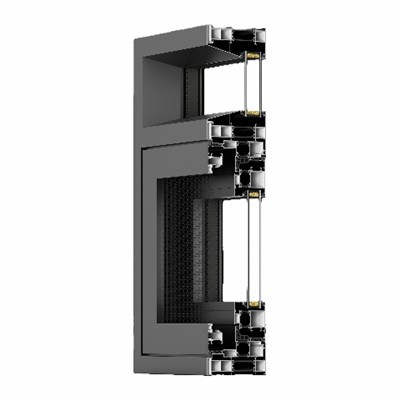
As a supplier of High - Sealing Inward Casement Window, I am frequently asked about the maximum opening angle of these windows. This question is crucial as it directly impacts the functionality, ventilation efficiency, and safety of the window in residential and commercial buildings.
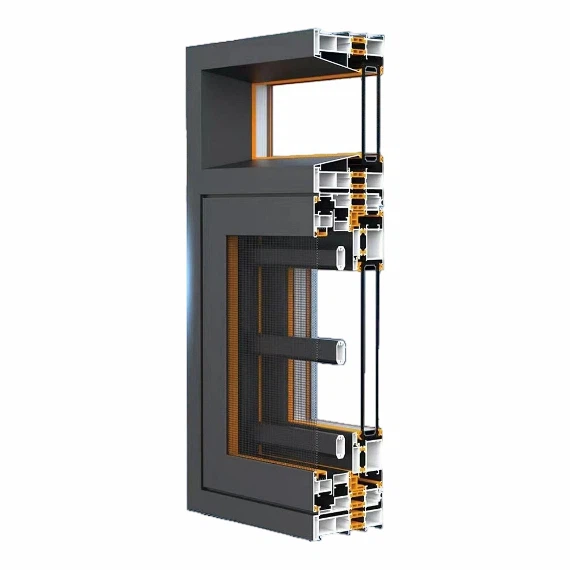

Understanding High - Sealing Inward Casement Windows
High - sealing inward casement windows are designed to open inward, offering numerous advantages such as easy cleaning from the inside, enhanced security, and excellent weather resistance. The high - sealing feature ensures minimal air and water leakage, contributing to energy efficiency and a comfortable indoor environment. These windows are available in various configurations, including Thermal Break Double Casement Window and Triple - Glazed Inward Opening Window, each catering to different needs and preferences.
Factors Affecting the Maximum Opening Angle
Hardware Limitations
The window hardware plays a significant role in determining the maximum opening angle. Different types of hinges and locks have specific design limitations. For instance, standard European hinges commonly used in high - sealing inward casement windows typically allow an opening angle of up to 90 degrees. This is a balanced design that provides sufficient ventilation while maintaining the structural integrity of the window. However, some high - end hardware systems can be engineered to allow opening angles of up to 180 degrees. These specialized hinges are often more expensive and require precise installation to ensure smooth operation.
Structural Constraints
The window frame and the surrounding wall structure can also limit the opening angle. If the window is installed in a small recess or near a wall-mounted object, the maximum opening angle may be restricted to prevent the window from hitting the obstruction. Additionally, the strength of the window frame and the wall connection must be considered. A wider opening angle exerts more stress on the frame and the mounting points. Therefore, the frame material and the installation method are crucial factors in determining the safe maximum opening angle. For example, a sturdy aluminum frame installed with proper reinforcement can support a wider opening angle compared to a less robust PVC frame.
Safety Regulations
Safety is a top priority in window design. Building codes and safety standards often dictate the maximum opening angle, especially in multi - story buildings or areas where there is a risk of falls. In many regions, regulations require windows in bedrooms and other habitable areas to have a restricted opening angle to prevent accidental falls. This typically means that the maximum opening angle is limited to around 45 degrees or less, which can be achieved through the use of restrictor devices installed on the window hardware.
Common Maximum Opening Angles
90 - Degree Opening
A 90 - degree opening is the most common maximum opening angle for high - sealing inward casement windows. This angle provides a good balance between ventilation and safety. It allows for a significant amount of fresh air to enter the room, while still being manageable in terms of hardware stress and potential interference with the surrounding environment. Windows with a 90 - degree opening are easy to operate and are suitable for most residential and commercial applications.
180 - Degree Opening
Some high - end or custom - designed high - sealing inward casement windows can achieve a 180 - degree opening. This provides maximum ventilation and a more seamless connection between the indoors and outdoors. However, 180 - degree opening windows require specialized hardware and careful consideration of the installation location. They are more commonly used in low - rise buildings or areas where safety concerns are less of an issue, such as ground - floor living rooms or patio areas.
Restricted Opening (45 Degrees or Less)
As mentioned earlier, restricted opening angles of 45 degrees or less are often required for safety reasons. These windows are equipped with restrictor devices that limit the opening to a safe level. Restricted opening windows are commonly used in bedrooms, children's rooms, and multi - story buildings to prevent accidental falls.
Impact of Opening Angle on Ventilation
The opening angle of a window directly affects the ventilation efficiency. A larger opening angle allows for more air to flow through the window, resulting in better cross - ventilation. For example, a window opened at 90 degrees will allow a greater volume of fresh air to enter the room compared to a window opened at 45 degrees. However, the effectiveness of ventilation also depends on other factors such as the size of the window, the wind direction, and the layout of the room. In some cases, even a small opening angle can provide sufficient ventilation if the window is strategically located and the wind conditions are favorable.
Considerations for Choosing the Right Opening Angle
When selecting a high - sealing inward casement window, it is important to consider the specific needs of the building and its occupants.
- Ventilation Requirements: If ventilation is a primary concern, a window with a larger opening angle, such as 90 degrees or 180 degrees, may be more suitable. However, it is important to ensure that the opening angle does not compromise safety or cause any interference with the surrounding environment.
- Safety: In areas where there is a risk of falls, such as multi - story buildings or children's rooms, a restricted opening angle of 45 degrees or less is recommended. This can be achieved through the use of restrictor devices, which can be easily installed on the window hardware.
- Installation Location: The location of the window within the building also plays a role in determining the appropriate opening angle. If the window is installed near a wall - mounted object or in a small recess, a smaller opening angle may be necessary to prevent the window from hitting the obstruction.
Contact Us for Purchasing
If you are interested in purchasing high - sealing inward casement windows, we are here to assist you. Our team of experts can provide you with detailed information about the different window options available, including the maximum opening angle, hardware features, and energy efficiency ratings. We can also offer personalized advice based on your specific needs and requirements. Whether you are a homeowner, architect, or builder, we are dedicated to providing you with high - quality products and excellent customer service. Contact us today to start a discussion about your window needs and explore how our products can enhance the comfort and efficiency of your building.
References
- Building codes and safety standards related to window design and installation.
- Manufacturer's specifications for window hardware and frames.
- Research studies on ventilation efficiency in buildings.