


What is the ventilation rate of inward opening windows?
As a supplier of inward opening windows, I often encounter inquiries about the ventilation rate of these windows. Understanding the ventilation rate is crucial for both residential and commercial building owners as it directly impacts indoor air quality, comfort, and energy efficiency. In this blog post, I will delve into the concept of ventilation rate, factors that affect it in inward opening windows, and how our products can optimize this important aspect of building design.

Understanding Ventilation Rate
Ventilation rate refers to the volume of outdoor air that is introduced into a building per unit of time. It is typically measured in cubic feet per minute (CFM) or liters per second (L/s). Adequate ventilation is essential for removing pollutants, such as carbon dioxide, volatile organic compounds (VOCs), and moisture, from indoor spaces. It also helps to control temperature and humidity levels, creating a healthier and more comfortable environment for occupants.
The ventilation rate required for a building depends on several factors, including the size of the space, the number of occupants, the type of activities taking place, and the building's location. In general, commercial buildings and areas with high occupancy, such as offices, schools, and hospitals, require higher ventilation rates than residential buildings. Building codes and standards, such as the American Society of Heating, Refrigerating and Air-Conditioning Engineers (ASHRAE) Standard 62.1, provide guidelines for minimum ventilation rates based on these factors.
Factors Affecting Ventilation Rate in Inward Opening Windows
The design and operation of inward opening windows can significantly affect their ventilation rate. Here are some key factors to consider:
- Window Size and Configuration: Larger windows generally provide a higher ventilation rate than smaller ones. Additionally, the configuration of the windows, such as the number of panels and the type of opening mechanism, can impact the amount of air that can enter the building. For example, a double-hung inward opening window can provide more ventilation than a single-hung window because both the upper and lower sashes can be opened.
- Opening Angle and Area: The angle at which the window is opened and the area of the opening also play a crucial role in determining the ventilation rate. A wider opening angle allows for more air to flow into the building, while a larger opening area increases the volume of air that can enter. However, it is important to note that opening the window too wide can also lead to excessive air infiltration and heat loss, especially in cold weather.
- Airflow Pathways: The design of the building and the placement of the windows can affect the airflow pathways within the space. To optimize ventilation, it is important to ensure that there are clear pathways for air to enter and exit the building. This can be achieved by strategically placing windows on opposite sides of the building to create cross-ventilation or by using fans or other mechanical ventilation systems to enhance airflow.
- Weather Conditions: The outdoor weather conditions, such as wind speed and direction, temperature, and humidity, can also impact the ventilation rate of inward opening windows. In windy conditions, the wind can create a pressure difference between the inside and outside of the building, which can increase the airflow through the windows. However, in calm conditions, natural ventilation may be less effective, and mechanical ventilation may be required to maintain adequate air exchange.
Our Inward Opening Windows and Ventilation
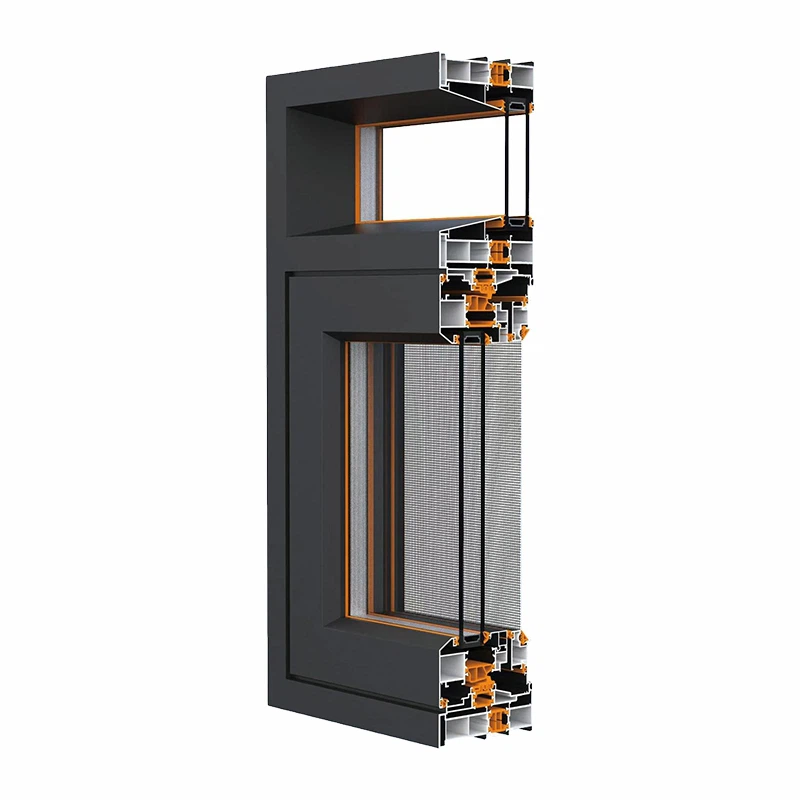
At our company, we specialize in manufacturing high-quality inward opening windows that are designed to provide optimal ventilation while also offering superior energy efficiency, security, and durability. Our windows are available in a variety of sizes, configurations, and styles to meet the diverse needs of our customers.
- High-Performance Inward Opening Window: Our high-performance inward opening windows are engineered to provide excellent ventilation and energy efficiency. They feature a unique design that allows for a wide range of opening angles, maximizing the amount of air that can enter the building. Additionally, these windows are equipped with advanced weatherstripping and sealing systems to prevent air infiltration and heat loss, helping to reduce energy costs and improve indoor comfort.
- High-Sealing Inward Casement Window: Our high-sealing inward casement windows are designed to provide a tight seal when closed, preventing air and water leakage. When opened, these windows offer a large opening area, allowing for efficient ventilation. The casement design also provides unrestricted airflow, ensuring that fresh air can circulate freely throughout the space.
- Narrow Stile Aluminium Inward Casement: Our narrow stile aluminium inward casement windows offer a sleek and modern look while also providing excellent ventilation. The narrow stiles allow for a larger glass area, maximizing natural light and views. These windows are also available with a variety of hardware options, including multi-point locking systems, for enhanced security.
Optimizing Ventilation with Our Inward Opening Windows
To maximize the ventilation rate of our inward opening windows, we recommend the following tips:
- Proper Installation: Ensure that the windows are installed correctly by a professional installer. Improper installation can lead to air leakage and reduced ventilation performance.
- Strategic Placement: Place the windows in areas where there is good cross-ventilation potential, such as on opposite sides of the building. This will help to create a natural airflow through the space.
- Use of Window Hardware: Take advantage of the window hardware, such as adjustable hinges and locks, to control the opening angle and area of the window. This will allow you to optimize the ventilation rate based on the weather conditions and your specific needs.
- Combination with Mechanical Ventilation: In some cases, it may be necessary to supplement natural ventilation with mechanical ventilation systems, such as fans or air purifiers. This can help to ensure that adequate air exchange is maintained, especially in areas with high occupancy or where natural ventilation is limited.
Contact Us for More Information
If you are interested in learning more about the ventilation rate of our inward opening windows or would like to discuss your specific requirements, please do not hesitate to contact us. Our team of experts is available to provide you with detailed information, answer your questions, and assist you in selecting the right windows for your project. We look forward to the opportunity to work with you and help you create a healthier and more comfortable indoor environment.
References
- American Society of Heating, Refrigerating and Air-Conditioning Engineers (ASHRAE). (2019). ANSI/ASHRAE Standard 62.1-2019: Ventilation for Acceptable Indoor Air Quality.
- Building Research Establishment (BRE). (2018). Ventilation in Non-Domestic Buildings: A Guide.
- International Energy Agency (IEA). (2017). Energy in Buildings and Communities Programme (EBC). Annex 62: Towards Net Zero Energy Solar Buildings.


