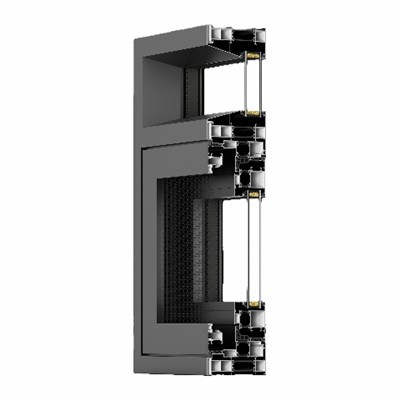
As a supplier of heavy-duty outward opening windows, I often get asked about the wind load capacity of these windows. Wind load capacity is a crucial factor, especially in areas prone to high winds, storms, or hurricanes. In this blog, I'll delve into what wind load capacity means for heavy-duty outward opening windows, the factors that influence it, and why it matters for your building projects.
Understanding Wind Load Capacity
Wind load capacity refers to the maximum amount of wind pressure a window can withstand without experiencing structural failure or significant damage. It is typically measured in pounds per square foot (psf) or kilopascals (kPa). When wind blows against a building, it creates both positive and negative pressures. Positive pressure occurs on the windward side of the building, pushing against the windows, while negative pressure, or suction, occurs on the leeward side, pulling the windows outward.
Heavy-duty outward opening windows are designed to resist these forces and maintain their integrity under extreme wind conditions. The wind load capacity of a window is determined by several factors, including the window's design, materials, installation, and the building's location and orientation.
Factors Influencing Wind Load Capacity
Window Design
The design of a heavy-duty outward opening window plays a significant role in its wind load capacity. Windows with a stronger frame and sash construction are generally more resistant to wind forces. For example, windows with a reinforced aluminum or steel frame can provide better structural support compared to those with a standard vinyl frame.
The shape and size of the window also affect its wind load capacity. Larger windows are more susceptible to wind pressure because they have a greater surface area exposed to the wind. Therefore, it's important to carefully consider the window size and layout in relation to the building's design and the expected wind conditions.
Materials
The materials used in the construction of the window can have a significant impact on its wind load capacity. High-quality materials, such as tempered glass and strong frame materials, are essential for ensuring the window's durability and resistance to wind forces.
Tempered glass is a type of safety glass that is heat-treated to increase its strength and resistance to breakage. It is up to four times stronger than regular glass and is less likely to shatter into sharp pieces when broken. This makes it an ideal choice for heavy-duty outward opening windows, especially in areas with high wind risks.
In addition to the glass, the frame material also plays a crucial role in the window's wind load capacity. Aluminum and steel are popular choices for heavy-duty windows because they are strong, durable, and resistant to corrosion. These materials can provide excellent structural support and help the window withstand high wind pressures.
Installation
Proper installation is essential for ensuring the wind load capacity of heavy-duty outward opening windows. Windows that are not installed correctly may not be able to resist wind forces effectively, even if they are made of high-quality materials.
During installation, it's important to ensure that the window is properly aligned and secured to the building structure. The frame should be level and plumb, and the fasteners should be tightened to the recommended torque. Additionally, the window should be sealed properly to prevent air and water infiltration, which can weaken the window's structure over time.
Building Location and Orientation
The location and orientation of the building also play a significant role in determining the wind load capacity of the windows. Buildings located in areas with high wind speeds, such as coastal regions or mountainous areas, require windows with a higher wind load capacity.
The orientation of the building in relation to the prevailing wind direction can also affect the wind load on the windows. Windows on the windward side of the building are exposed to higher wind pressures than those on the leeward side. Therefore, it's important to consider the building's orientation when selecting the windows and to ensure that they are designed to withstand the expected wind forces.
Why Wind Load Capacity Matters
The wind load capacity of heavy-duty outward opening windows is important for several reasons. First and foremost, it ensures the safety and security of the building's occupants. Windows that can withstand high wind pressures are less likely to break or fail during a storm, which can prevent injuries and property damage.
In addition to safety, wind load capacity also affects the energy efficiency of the building. Windows that are not designed to resist wind forces may allow air and water infiltration, which can lead to increased energy consumption and higher utility bills. By choosing windows with a high wind load capacity, you can ensure that your building is well-insulated and energy-efficient.
Furthermore, wind load capacity is often a requirement for building codes and regulations in areas prone to high winds. Building owners and contractors are required to install windows that meet the minimum wind load requirements to ensure the structural integrity of the building. Failure to comply with these regulations can result in fines and legal issues.
Our Heavy-Duty Outward Opening Windows
At our company, we offer a range of heavy-duty outward opening windows that are designed to meet the highest standards of wind load capacity. Our windows are made of high-quality materials, including tempered glass and reinforced aluminum or steel frames, to ensure their durability and resistance to wind forces.
We offer several types of heavy-duty outward opening windows, including the Outswing Window with Integrated Screen, the Standard Outward Opening Window, and the Compression Seal Side-Hung Window. Each of these windows is designed to provide excellent performance and reliability in a variety of applications.
Our Outswing Window with Integrated Screen combines the functionality of an outward opening window with the convenience of a built-in screen. This window is ideal for areas where ventilation and insect protection are both important.

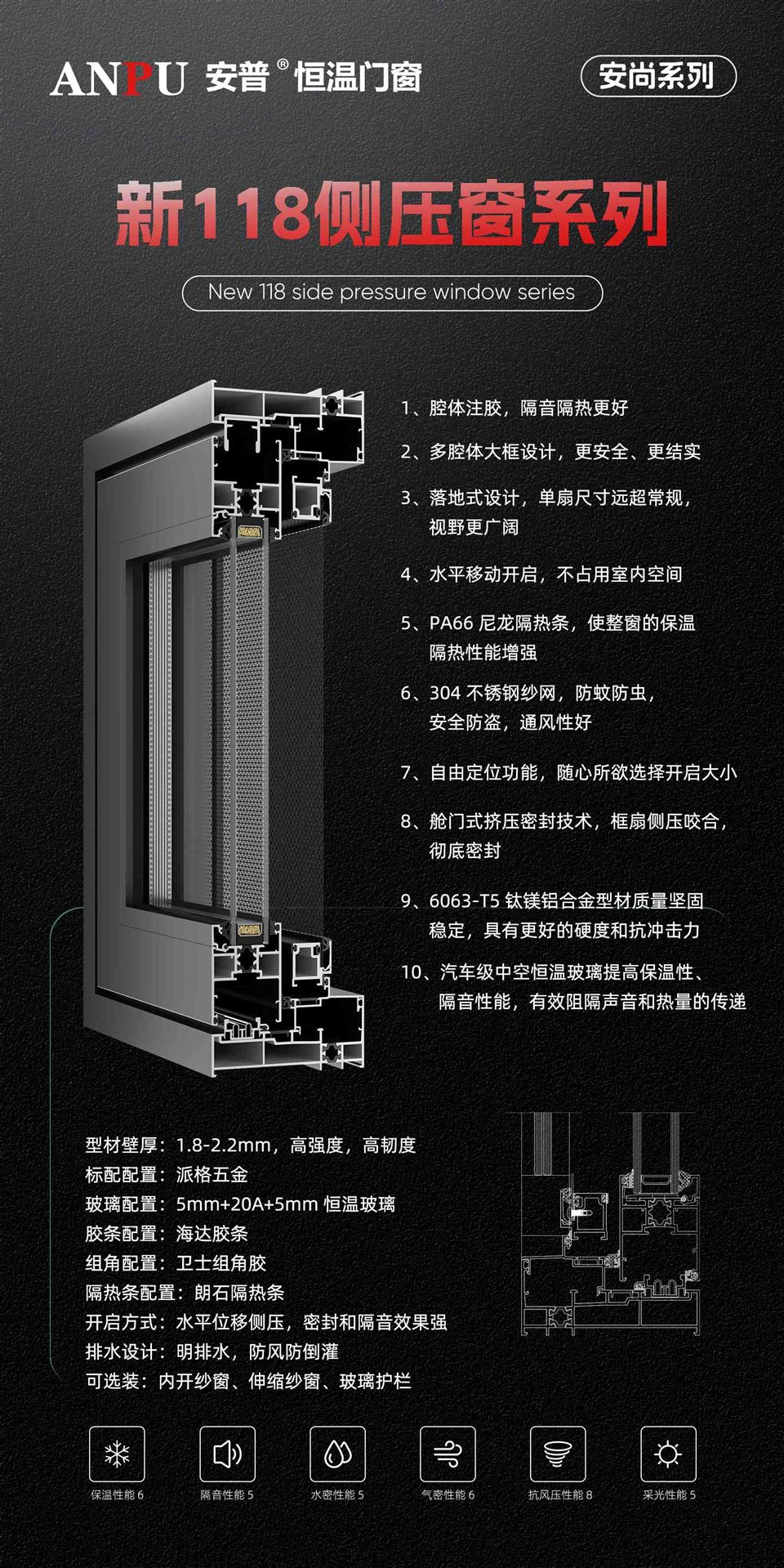
The Standard Outward Opening Window is a classic design that offers a simple and effective solution for any building project. It is available in a variety of sizes and configurations to meet your specific needs.
The Compression Seal Side-Hung Window is a high-performance window that features a compression seal system to provide excellent air and water infiltration resistance. This window is ideal for areas with high wind and rain conditions.
Contact Us for More Information
If you're interested in learning more about our heavy-duty outward opening windows and their wind load capacity, please don't hesitate to contact us. Our team of experts is available to answer your questions and provide you with the information you need to make an informed decision.
Whether you're a building owner, contractor, or architect, we can help you select the right windows for your project. We offer a range of customization options to ensure that our windows meet your specific requirements and preferences.
So, if you're looking for high-quality heavy-duty outward opening windows with excellent wind load capacity, contact us today to discuss your needs and get a free quote.
References
- American Society of Civil Engineers (ASCE). (2016). Minimum Design Loads and Associated Criteria for Buildings and Other Structures (ASCE 7-16).
- International Code Council (ICC). (2018). International Building Code (IBC).
- National Fenestration Rating Council (NFRC). (2020). Fenestration Product Performance Ratings and Energy Efficiency Standards.