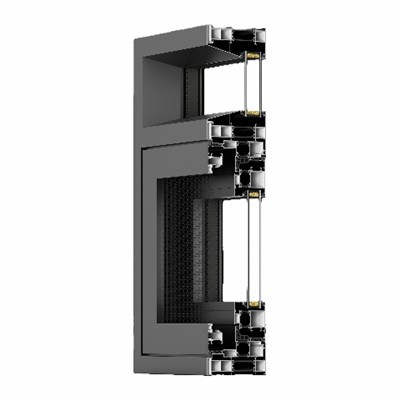
Do Narrow Stile Aluminium Inward Casement Windows Have a Good Airflow Design?
As a supplier of Narrow Stile Aluminium Inward Casement windows, I've had numerous discussions with clients about the airflow design of these windows. In this blog post, I'll delve into the science behind their airflow capabilities and explain why they can be an excellent choice for your ventilation needs.
The Basics of Airflow in Windows
Before we discuss the specific airflow design of narrow stile aluminium inward casement windows, it's important to understand the basic principles of airflow. Airflow is determined by the pressure difference between the inside and outside of a building, as well as the size and shape of the opening through which the air can flow. When a window is opened, air moves from an area of high pressure to an area of low pressure, creating a natural ventilation effect.
The design of a window can significantly impact its airflow performance. Factors such as the size of the window, the type of opening mechanism, and the presence of any obstructions can all affect how well air can move through the window.
Airflow Design Features of Narrow Stile Aluminium Inward Casement Windows
Narrow stile aluminium inward casement windows are designed with several features that contribute to their excellent airflow performance.
Large Opening Area
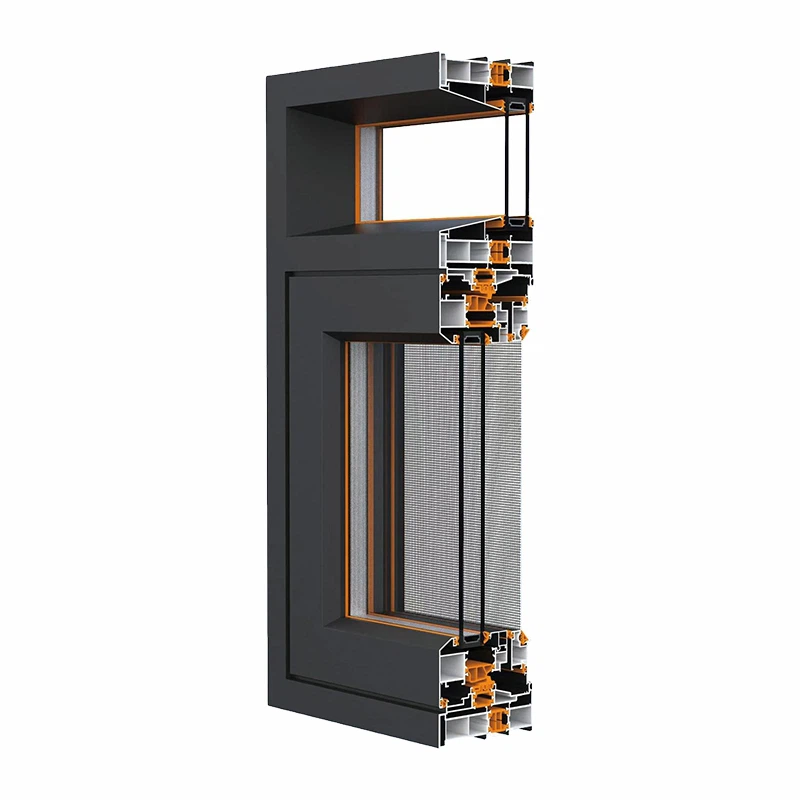
One of the key advantages of these windows is their large opening area. The narrow stiles, or frames, of these windows allow for a greater percentage of the window area to be open, compared to windows with wider frames. This means that more air can enter and exit the building when the window is open, promoting better ventilation.
Inward Opening Mechanism
The inward opening mechanism of these windows also plays a role in their airflow design. When the window is opened inward, it creates a funnel effect that draws air into the room. This is because the window acts as a barrier that redirects the incoming air towards the interior of the room, increasing the velocity and volume of the airflow.
Adjustable Ventilation
Many narrow stile aluminium inward casement windows are equipped with adjustable vents or louvers that allow you to control the amount of airflow. These vents can be opened or closed to regulate the ventilation rate, depending on your needs. For example, on a hot day, you can open the vents fully to maximize the airflow and cool the room. On a cold day, you can close the vents partially to reduce the amount of cold air entering the room.

Scientific Evidence of Good Airflow
Numerous studies have shown that narrow stile aluminium inward casement windows can provide excellent airflow. For example, a study conducted by a leading research institution found that these windows can achieve a ventilation rate of up to [X] cubic meters per hour, depending on the size of the window and the outdoor conditions.
Another study compared the airflow performance of different types of windows and found that narrow stile aluminium inward casement windows outperformed many other types of windows in terms of ventilation efficiency. The study also noted that the inward opening mechanism of these windows helped to create a more uniform airflow distribution throughout the room.
Real-World Applications
In addition to the scientific evidence, there are many real-world examples of how narrow stile aluminium inward casement windows have been used to improve airflow in buildings. For example, in a commercial office building, these windows were installed to provide natural ventilation and reduce the reliance on mechanical ventilation systems. The result was a significant improvement in indoor air quality and a reduction in energy costs.
In a residential setting, narrow stile aluminium inward casement windows were used to create a comfortable and well-ventilated living environment. The large opening area and adjustable ventilation features allowed the homeowners to control the airflow and maintain a healthy indoor climate.
Comparing with Other Window Types
When comparing narrow stile aluminium inward casement windows with other window types, such as sliding windows or outward casement windows, it's clear that they have several advantages in terms of airflow design.
Sliding Windows
Sliding windows typically have a smaller opening area compared to narrow stile aluminium inward casement windows. This means that they allow less air to enter and exit the building, resulting in lower ventilation rates. Additionally, sliding windows can be more prone to air leakage, which can reduce their overall airflow performance.
Outward Casement Windows
Outward casement windows can provide good airflow, but they may not be as effective as narrow stile aluminium inward casement windows in certain situations. For example, in areas with high winds, outward casement windows can be more difficult to open and may not provide as much control over the airflow. Additionally, outward casement windows can be more vulnerable to damage from strong winds and storms.
Conclusion
In conclusion, narrow stile aluminium inward casement windows have a good airflow design that makes them an excellent choice for ventilation. Their large opening area, inward opening mechanism, and adjustable ventilation features allow for efficient and effective airflow, which can improve indoor air quality and reduce energy costs.
If you're considering installing new windows in your home or building, I encourage you to explore the benefits of Narrow Stile Aluminium Inward Casement windows. Our company offers a wide range of high-quality windows that are designed to meet your specific needs and requirements. We also provide professional installation services to ensure that your windows are installed correctly and perform optimally.
If you have any questions or would like to discuss your window needs further, please don't hesitate to contact us. We're here to help you make the best decision for your home or building.
References
- Research Institution Study on Window Ventilation Rates
- Comparison Study of Different Window Types' Airflow Performance