Hey there! As a supplier of Aluminium Outswing Casement Windows, I often get asked about the solar heat gain coefficient (SHGC) of these windows. So, I thought I'd take a moment to break it down for you.
First off, what exactly is the solar heat gain coefficient? Well, it's a measure of how much solar radiation passes through a window and is absorbed and then released as heat inside a building. The SHGC is expressed as a number between 0 and 1. A lower SHGC means less solar heat is transmitted through the window, which is great for keeping your home cool in the summer. On the other hand, a higher SHGC allows more solar heat to enter, which can be beneficial in colder climates during the winter.
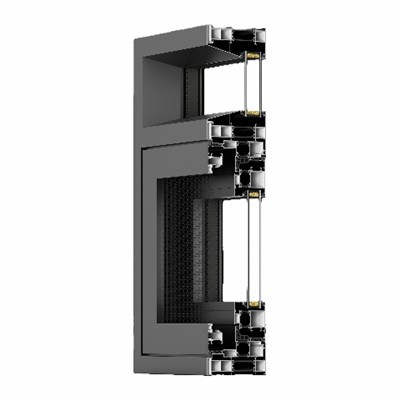
Now, let's talk about how the SHGC applies to our Aluminium Outswing Casement Windows. These windows are designed to offer a great balance between aesthetics and functionality. The aluminium frame is not only durable but also provides excellent insulation properties. When it comes to the SHGC, our windows are engineered to perform well in different climates.


In regions with hot summers, we recommend windows with a lower SHGC. This helps to reduce the amount of heat that enters your home, which can lead to lower energy bills and a more comfortable indoor environment. Our Standard Outward Opening Window is a great option for these areas. It has a relatively low SHGC, which means it blocks a significant amount of solar heat while still allowing plenty of natural light to come in.
On the other hand, if you live in a colder climate, you might want to consider windows with a higher SHGC. This allows more solar heat to enter your home, which can help to warm it up during the winter months. Our High-Performance Outswing Casement Window is designed with this in mind. It has a higher SHGC, which means it can take advantage of the sun's warmth to keep your home cozy.
Another factor that affects the SHGC of our Aluminium Outswing Casement Windows is the type of glass used. We offer a variety of glass options, each with its own SHGC rating. For example, low-emissivity (low-e) glass has a lower SHGC compared to regular glass. This is because low-e glass has a special coating that reflects a significant amount of solar radiation. So, if you're looking for windows with a lower SHGC, you might want to consider opting for low-e glass.
In addition to the glass, the frame design also plays a role in the SHGC. Our aluminium frames are designed to minimize heat transfer, which helps to improve the overall energy efficiency of the window. The frames are also sealed tightly to prevent air leakage, which can further reduce the amount of heat that enters or leaves your home.
Now, you might be wondering how to choose the right SHGC for your windows. Well, it really depends on your climate and your specific needs. If you live in a hot climate, you'll want to choose windows with a lower SHGC to keep your home cool. If you live in a cold climate, you might want to choose windows with a higher SHGC to take advantage of the sun's warmth. You can also consult with a professional to get more personalized advice based on your location and your home's energy needs.
In conclusion, the solar heat gain coefficient is an important factor to consider when choosing Aluminium Outswing Casement Windows. By understanding the SHGC and how it affects your home's energy efficiency, you can make an informed decision about which windows are right for you. Whether you're looking for windows to keep your home cool in the summer or warm in the winter, we have a range of options to suit your needs.
If you're interested in learning more about our Aluminium Outswing Casement Windows or have any questions about the SHGC, feel free to reach out to us. We'd be happy to help you find the perfect windows for your home.
References:
- ASHRAE Handbook - Fundamentals. American Society of Heating, Refrigerating and Air-Conditioning Engineers.
- Window Energy Rating Council (WERC). Window Performance Ratings and Labeling.