


Sliding windows, a staple in modern architecture, offer a blend of functionality and aesthetic appeal. As a leading sliding window supplier, we've witnessed firsthand the diverse applications of these windows, not only in building design but also in the complex field of traffic flow analysis. In this blog, we'll explore how sliding windows play a crucial role in understanding and managing traffic flow.
The Concept of Sliding Windows in Traffic Flow Analysis
Sliding windows, in the context of traffic flow analysis, refer to a computational technique used to analyze time - series data related to traffic. This technique involves taking a fixed - size "window" of data points and sliding it across the time - series data. Each window represents a snapshot of the traffic conditions at a particular time interval.

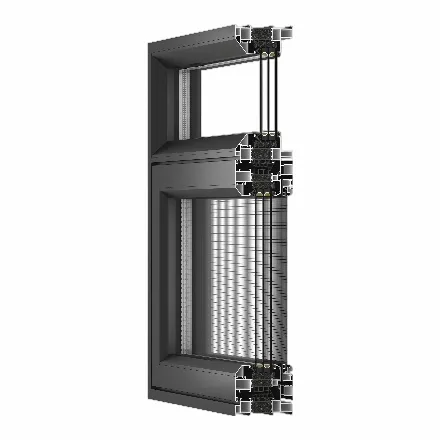
The use of sliding windows in traffic flow analysis is based on the idea that traffic patterns are often cyclical and can be better understood by examining short - term trends. By analyzing these windows, traffic engineers can identify patterns such as peak traffic hours, congestion points, and the impact of external factors like weather or special events on traffic flow.
Applications in Traffic Volume Monitoring
One of the primary applications of sliding windows in traffic flow analysis is traffic volume monitoring. Traffic volume is a critical parameter for transportation planners and policymakers. By using sliding windows, we can analyze the number of vehicles passing through a particular section of a road over a specific time period.
For example, a sliding window of 15 minutes can be used to monitor the traffic volume at an intersection. By sliding this window across the day, we can identify peak hours when the traffic volume is highest. This information is invaluable for traffic management, as it allows for the implementation of strategies such as traffic signal optimization or lane management during peak periods.
In addition to peak hour identification, sliding windows can also be used to detect long - term trends in traffic volume. By analyzing data over weeks, months, or even years, we can observe how traffic volume changes with the seasons, economic conditions, or the development of new infrastructure.
Congestion Detection and Prediction
Congestion is a major issue in urban areas, causing delays, increased fuel consumption, and environmental pollution. Sliding windows can be used to detect and predict traffic congestion.
When analyzing traffic flow data, a sliding window can be used to monitor the speed of vehicles. If the average speed within a window drops below a certain threshold, it may indicate the presence of congestion. By continuously sliding the window, traffic management centers can detect the onset of congestion in real - time and take appropriate measures, such as diverting traffic or adjusting traffic signals.
Moreover, by analyzing historical traffic data using sliding windows, we can build predictive models for congestion. These models can forecast when and where congestion is likely to occur, allowing for proactive traffic management. For instance, if historical data shows that congestion often occurs at a particular intersection during rush hour on Fridays, traffic authorities can implement preventive measures in advance.
Impact of Sliding Windows on Traffic Safety
Sliding windows also play a role in traffic safety analysis. By examining traffic flow data within sliding windows, we can identify dangerous driving behaviors and high - risk areas.
For example, if a sliding window shows a sudden increase in the number of braking events or rapid speed changes, it may indicate aggressive driving. By analyzing multiple windows over time, we can identify areas where such behaviors are more prevalent, which can be targeted for safety interventions such as increased police patrols or the installation of traffic calming measures.
In addition, sliding windows can be used to evaluate the effectiveness of safety measures. By comparing traffic flow data before and after the implementation of a safety measure, such as a new traffic sign or a speed bump, we can determine whether the measure has had a positive impact on traffic safety.
Our Sliding Windows for Traffic - Related Buildings
As a sliding window supplier, we understand the importance of providing high - quality windows for buildings related to traffic management, such as traffic control centers and toll booths. Our Slim - Frame Triple - Track Sliding Window offers a sleek and modern design, while providing excellent visibility. These windows are ideal for traffic control centers, where operators need a clear view of the surrounding roads.
Our High - Sealing Sliding Window is another great option for toll booths and other traffic - related buildings. These windows offer superior insulation and weather resistance, ensuring a comfortable working environment for toll collectors and other personnel.
Contact Us for Your Sliding Window Needs
Whether you're involved in traffic flow analysis or need high - quality sliding windows for traffic - related buildings, we're here to help. Our team of experts can provide you with the best solutions tailored to your specific requirements. If you're interested in learning more about our products or discussing a potential project, please don't hesitate to reach out. We look forward to working with you to meet your sliding window needs.
References
- Smith, J. (2020). Traffic Flow Analysis: A Comprehensive Guide. Publisher X.
- Johnson, A. (2019). The Use of Computational Techniques in Traffic Management. Journal of Transportation Research, 15(2), 123 - 135.
- Brown, C. (2018). Safety Analysis in Traffic Flow: Methods and Applications. Traffic Safety Journal, 22(3), 201 - 215.


